Top 10 High-Calorie Foods for Effective Bulking
For those looking to bulk up effectively, incorporating high-calorie foods into your diet is essential. These foods not only provide the necessary calories but also offer a variety of nutrients to support muscle growth. Here are the top 10 high-calorie foods that can help you on your bulking journey:
- Nut Butters: Almond, peanut, and cashew butters are rich in healthy fats and protein, making them perfect for adding calories to smoothies or spreading on whole grain bread.
- Dried Fruits: Options like dates, raisins, and apricots are calorie-dense and packed with antioxidants, offering a sweet way to increase your caloric intake.
- Avocados: These creamy fruits are high in monounsaturated fats and provide a substantial calorie boost when added to salads or sandwiches.
- Whole Grains: Foods such as brown rice, quinoa, and oats are not only filling but also provide complex carbohydrates that can help fuel your training.
- Full-Fat Dairy: Products like whole milk, cheese, and yogurt are excellent sources of protein and calcium while being high in calories.
- Red Meat: Beef and other red meats deliver high amounts of protein and iron, which are crucial for muscle development.
- Salmon and Oily Fish: Rich in Omega-3 fatty acids and high in calories, these foods support overall health and muscle recovery.
- Potatoes and Sweet Potatoes: Both are excellent sources of carbohydrates, vitamins, and minerals, ensuring you have enough energy for your workouts.
- Granola and Hi-Calorie Cereals: These can provide a quick and easy way to pack in calories, especially when mixed with milk or yogurt.
- Protein Shakes: Using high-quality protein powders can be an efficient way to increase calorie intake without feeling overly full.
The Science of Bulking: How to Create Your Ideal Meal Plan
Bulking is a nutritional strategy used predominantly by bodybuilders and athletes to gain weight and muscle mass. To create your ideal meal plan, it is essential to understand the science of bulking. This includes calculating your daily caloric needs, which should be above your maintenance level. Typically, a surplus of 300 to 500 calories is recommended for effective bulking. Your macronutrient ratios should also be considered; a common framework is to aim for 50% carbohydrates, 30% protein, and 20% fats. Incorporating nutrient-dense foods like lean meats, whole grains, healthy fats, and plenty of fruits and vegetables will support muscle recovery and growth.
When crafting your ideal meal plan, meal frequency can play a vital role in achieving your bulking goals. Many find success with 5 to 6 smaller meals throughout the day instead of just three large ones, as this can help manage hunger and sustain energy levels.
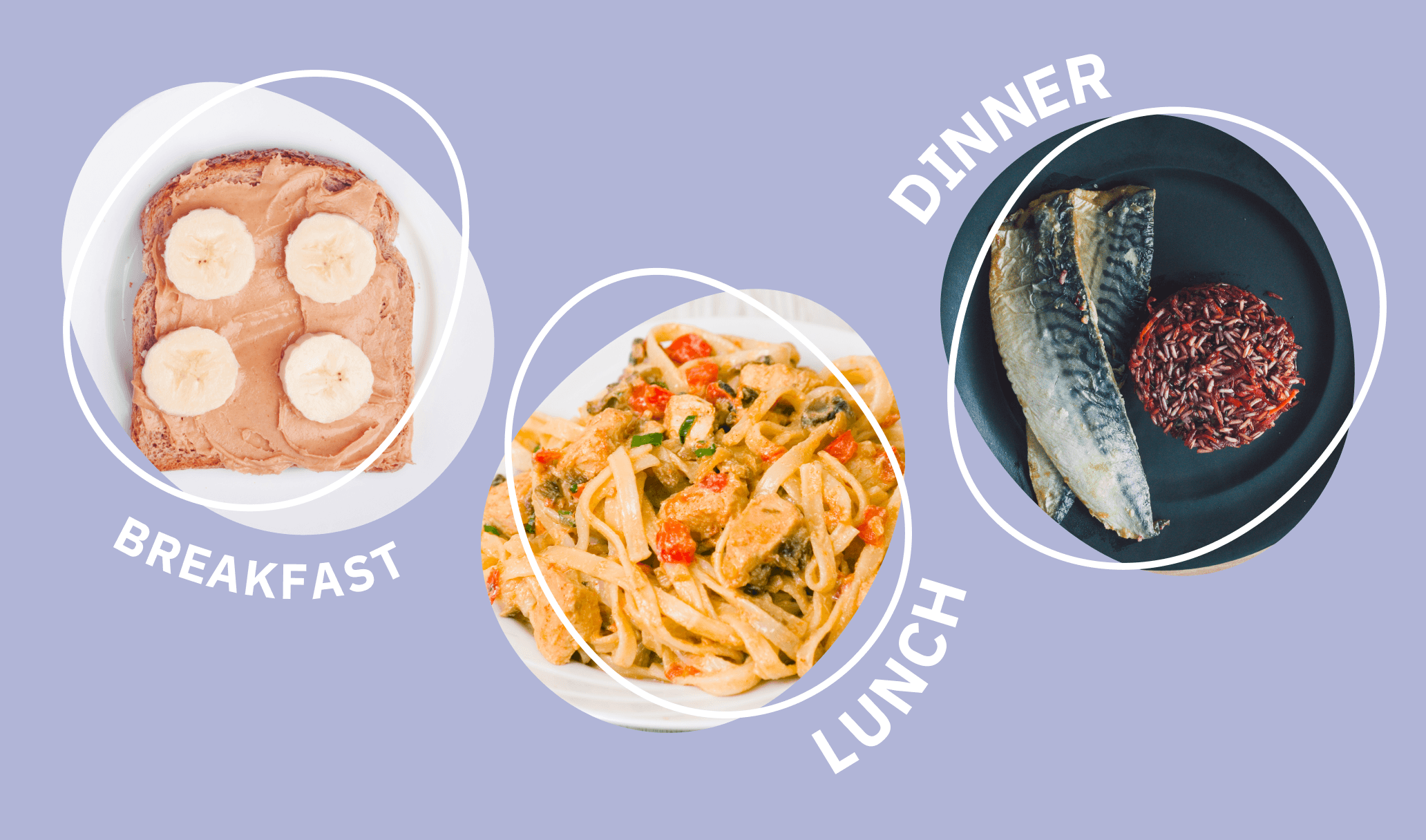
- Breakfast: Start your day with protein-rich foods like eggs and oatmeal.
- Lunch: A hearty portion of brown rice, chicken, and vegetables.
- Dinner: Include lean steak or fish, sweet potatoes, and a side salad.
- Snacks: Protein shakes, nuts, Greek yogurt, or cottage cheese can help bridge any gaps.
Staying hydrated and adjusting your calorie intake based on your progress is crucial. Monitoring your weight and muscle gains every few weeks will help you tweak your plan as necessary for optimal results.
Common Bulking Mistakes to Avoid for Maximum Gains
When embarking on a bulking journey, it's essential to recognize the common bulking mistakes that can impede your progress. One significant error is consuming too many empty calories. While it's crucial to increase your caloric intake, focusing solely on high-calorie junk food can lead to unwanted fat gain rather than muscle growth. Instead, prioritize nutrient-dense foods such as lean proteins, whole grains, fruits, and vegetables to ensure you're building quality mass. Additionally, neglecting to track your macronutrient ratios can hinder your results. Aim for a balanced intake of carbohydrates, proteins, and fats to support your body's needs effectively.
Another prevalent mistake in the bulking process is skipping strength training or following an inconsistent workout routine. Without a well-structured resistance training program, your body won't effectively utilize the surplus calories for muscle building. Aim to engage in compound movements and progressively overload your muscles to stimulate growth. Moreover, overlooking proper recovery is a critical error. Muscle repair and growth occur during rest, so ensure you're getting adequate sleep and recovery time between workouts. By avoiding these missteps, you can maximize your gains while bulking.